Buying secondhand is more than a way to save money—it’s a smart, sustainable approach to shopping. Some items are especially worth purchasing pre-owned because they hold up well over time, are costly new, or simply offer unique finds you won’t see in regular stores. Knowing what to prioritize can make your thrift shopping trips more efficient and rewarding.
1. Furniture
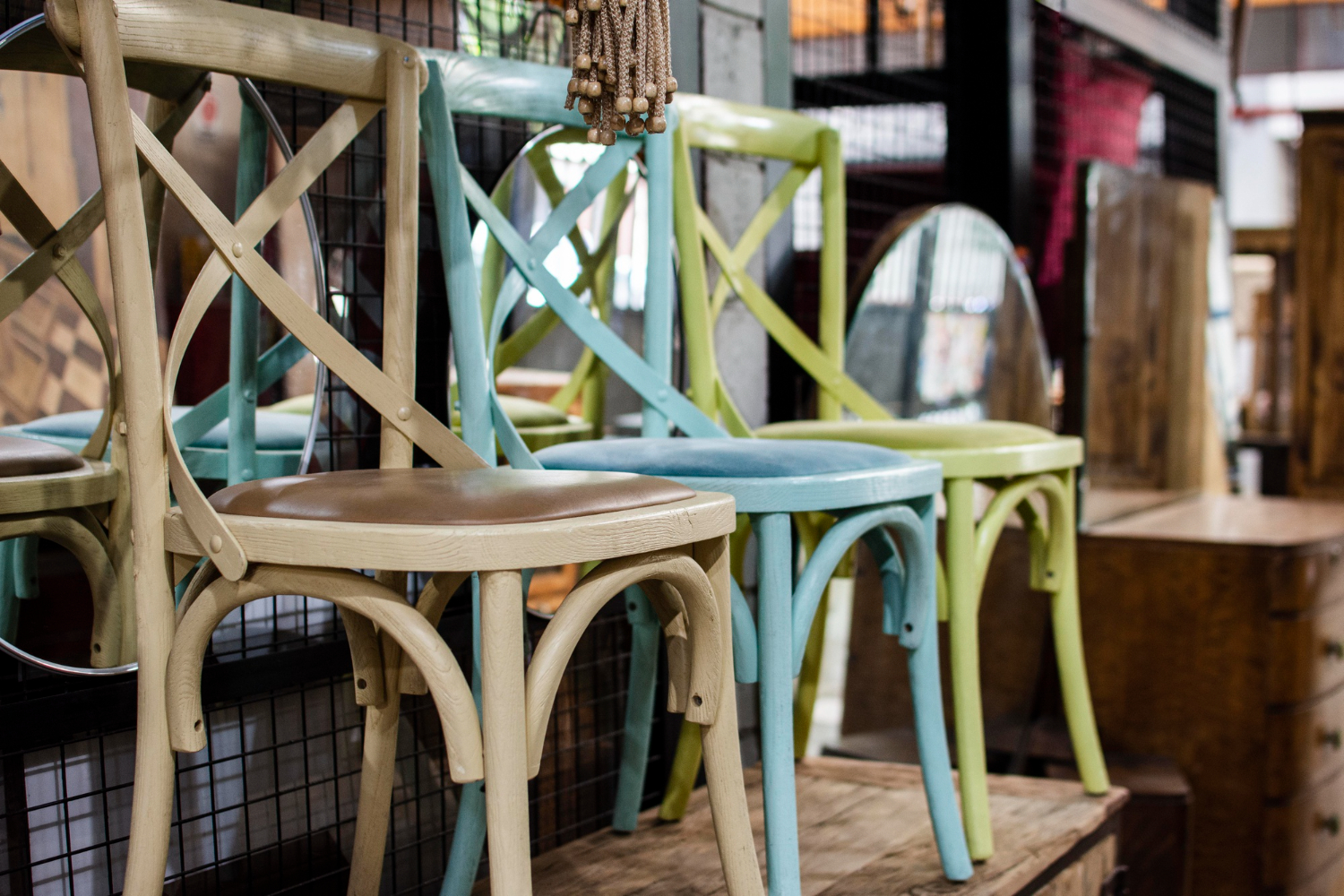
Quality furniture can be expensive new, but secondhand pieces often last decades if well cared for.
-
Why It’s Worth It: Solid wood tables, chairs, and cabinets maintain their durability. Many thrift stores have pieces that only need minor refinishing or tightening to look like new.
-
Tips: Inspect joints and stability. A little sanding or polish can restore a worn surface, making the furniture look almost brand new.
2. Clothing
Clothing is one of the most popular secondhand purchases, and for good reason.
-
Why It’s Worth It: Designer or brand-name items are often donated after only a few uses. Vintage clothing can also offer unique styles unavailable in stores.
-
Tips: Check for fabric quality, seams, and fasteners. Avoid pieces with excessive wear or permanent stains unless you plan to upcycle or repair.
3. Books
Books are made to last, and buying secondhand is an excellent way to build a collection affordably.
-
Why It’s Worth It: Paperbacks, textbooks, and even rare editions can often be found for a fraction of the new price. Many books are in like-new condition.
-
Tips: Inspect the cover and pages for damage. Older editions may contain updated information, so double-check if you need a current version.
4. Electronics
Electronics can be risky, but carefully selected secondhand devices often offer excellent value.
-
Why It’s Worth It: High-quality electronics like speakers, gaming consoles, and small appliances are often overbuilt and last for years. Buying used saves money while reducing electronic waste.
-
Tips: Test functionality in-store if possible. Check cords, plugs, and battery life, and ask about warranties or return policies if available.
5. Tools
Hand tools and power tools are durable and often sold at a fraction of the original cost.
-
Why It’s Worth It: Many tools are lightly used and built to last a lifetime. A solid hammer, drill, or wrench set can easily outlive multiple purchases of cheaper versions.
-
Tips: Check for rust or missing parts, and ensure moving pieces work smoothly.
6. Kitchenware and Housewares
Dishes, cookware, and glassware often appear secondhand in excellent condition.
-
Why It’s Worth It: High-quality pots, pans, and utensils last for years, and some brands are very expensive new. Thrift stores frequently have matching sets or single pieces that can upgrade your kitchen affordably.
-
Tips: Inspect for chips, cracks, or rust, especially on cast iron and enamel-coated items.
7. Jewelry and Accessories
Jewelry and accessories can offer incredible value when bought secondhand.
-
Why It’s Worth It: Costume jewelry, vintage handbags, belts, and watches are often high-quality and unique. You can find rare pieces at a fraction of the original price.
-
Tips: Check clasps, zippers, and closures. For metal pieces, ensure there is no heavy tarnish or damage that cannot be polished or repaired.
Buying secondhand is not just about saving money—it’s about making smart choices and finding items with lasting value. Furniture, clothing, books, electronics, tools, kitchenware, and accessories are especially worth seeking out because they combine durability, quality, and affordability.
By focusing on these categories, you can shop intentionally, reduce waste, and discover hidden gems that bring style, function, and savings to your home. Secondhand shopping becomes less about luck and more about strategy—and the rewards are well worth it.