
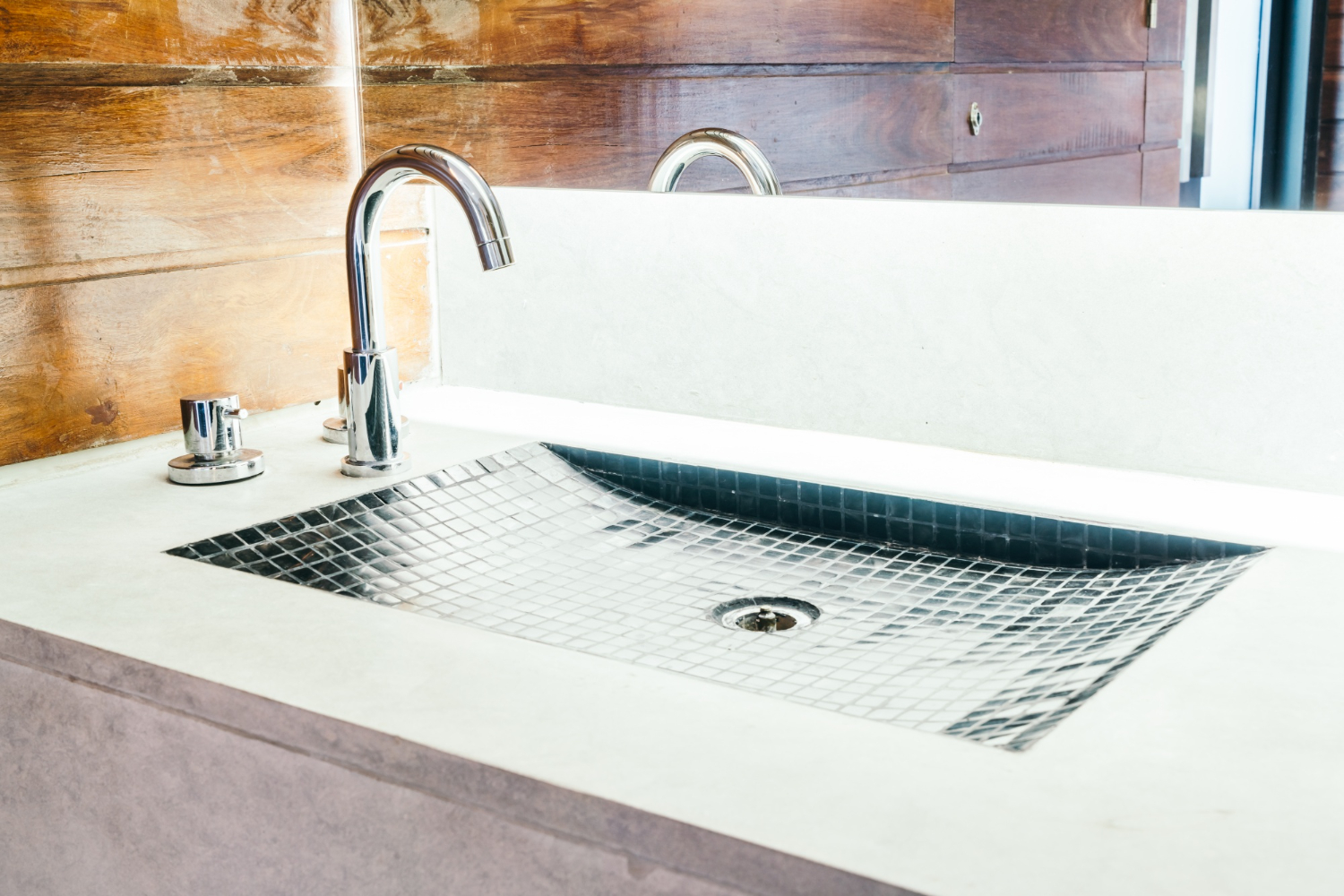
A slow or clogged drain is one of those problems that starts small and quickly becomes frustrating. Water pools where it should not, and before long, even simple tasks feel like a hassle. While chemical drain cleaners might seem like the fastest solution, they can be harsh on your pipes and are not always necessary.
In most cases, you can clear a clog using simple tools and natural methods. It takes a little effort, but it is safer for your plumbing and often just as effective.
What You Will Need
You likely already have most of these items at home:
-
A plunger
-
Baking soda
-
White vinegar
-
Boiling water
-
A drain snake or a bent wire hanger
-
A pair of gloves
Step 1: Remove Visible Debris
Start by checking the drain opening. Hair, soap buildup, and debris often sit right at the surface.
Put on gloves and remove anything you can see. For shower drains, this step alone can make a big difference.
Step 2: Try Boiling Water
Bring a pot of water to a boil and carefully pour it down the drain in stages. Give it a few seconds between pours.
This can help dissolve soap residue and loosen minor clogs. It is a simple first step that works more often than you might expect.
Step 3: Use Baking Soda and Vinegar
Pour about half a cup of baking soda into the drain, followed by one cup of white vinegar.
You will notice a fizzing reaction. This helps break down buildup inside the pipe. Let the mixture sit for about 10 to 15 minutes.
After that, flush the drain with hot water to clear everything out.
Step 4: Plunge the Drain
If the clog is still there, use a plunger. Make sure there is enough water in the sink or shower to cover the rubber part of the plunger.
Place it over the drain and push down firmly, then pull up. Repeat several times to create suction that can dislodge the clog.
Step 5: Use a Drain Snake or Wire
For tougher clogs, a drain snake or even a straightened wire hanger can help.
Insert it carefully into the drain and twist or pull to catch hair and debris. Slowly remove it and clean off anything it brings up.
This step can be a bit unpleasant, but it is often the most effective for stubborn blockages.
Step 6: Rinse and Test
Once you believe the clog is cleared, run hot water down the drain for a minute or two. This helps flush out any remaining debris.
If the water drains smoothly, you are done.
Preventing Future Clogs
A few simple habits can help keep your drains clear:
-
Use a drain cover to catch hair and debris
-
Avoid pouring grease or heavy residue down the sink
-
Flush drains with hot water regularly
-
Clean out visible buildup before it becomes a problem
When to Take It Further
If none of these steps work, the clog may be deeper in the plumbing system. At that point, using a more advanced tool or calling a professional might be the best option.
Unclogging a drain does not have to involve harsh chemicals or complicated tools. With a few basic steps and a little patience, you can handle most clogs yourself.
Once you get used to these methods, dealing with slow drains becomes a routine fix instead of a major inconvenience. It is a simple skill that keeps your home running smoothly and saves you from unnecessary repairs.