
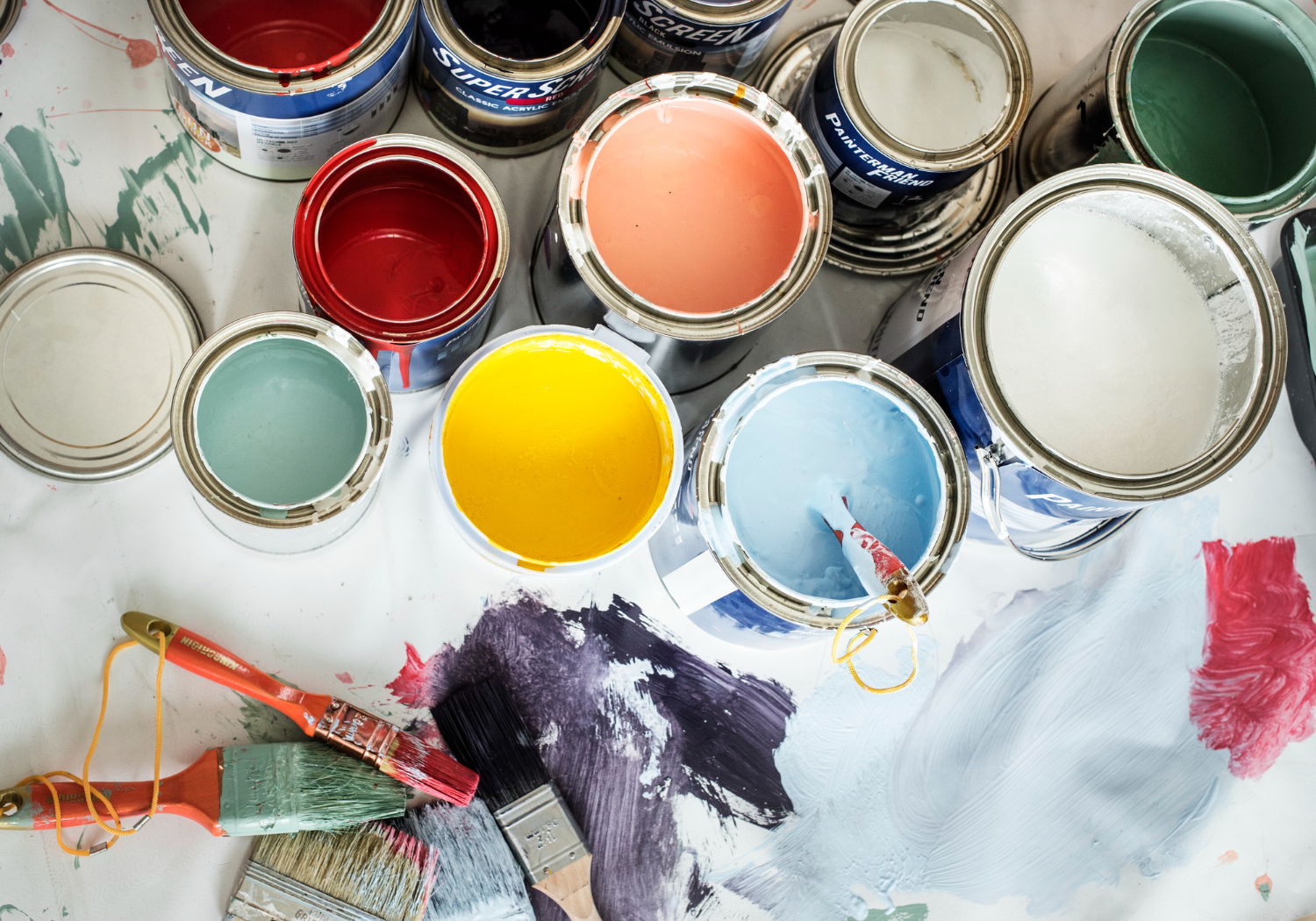
Walls take more wear than we realize. Shoes leave scuffs, furniture brushes against corners, and everyday life adds marks that slowly dull the look of a room. The good news is that you do not need to repaint an entire wall to make it look fresh again. Small touch ups can go a long way, and most of them take less time than you think.
With a little preparation and the right approach, you can blend repairs so they are barely noticeable.
Start with a Clean Surface
Before reaching for paint, clean the area. Dirt and oils can prevent new paint from sticking properly.
Use a damp cloth with a small amount of mild soap to wipe away marks and dust. Let the area dry completely before moving on. Sometimes, this step alone removes the problem.
Match the Paint
Getting the right color is key. If you still have leftover paint from the original job, that is ideal. If not, you can take a small sample or note the paint name and finish to a store for a match.
The finish matters just as much as the color. A flat, eggshell, or glossy finish will reflect light differently, and mismatching them can make the touch up stand out.
Fix Minor Surface Damage
If the area has small dents, chips, or nail holes, fix those first.
Use a small amount of spackle or wall filler to smooth out the surface. Apply it with a putty knife, let it dry, then lightly sand it until it is even with the wall. Wipe away any dust before painting.
Skipping this step can leave the repair looking uneven.
Use the Right Tools
For small touch ups, you do not need a full set of painting supplies. A small brush or even a foam applicator works well.
Use light, controlled strokes. Avoid overloading the brush with paint, as this can leave thick patches that are easy to spot once dry.
Blend the Paint
Instead of painting a hard edge, gently feather the paint outward from the repair area. This helps it blend into the surrounding wall.
In some cases, dabbing the paint lightly rather than brushing can create a more natural texture, especially on walls with a bit of grain.
Let the first coat dry and check how it looks. You may need a second light coat to fully cover the mark.
Be Patient with Drying
Fresh paint often looks slightly different until it dries completely. Give it time before deciding if another coat is needed.
Lighting can also affect how the repair looks, so check it at different times of day if you can.
When to Go Beyond a Touch Up
If there are many marks spread across the wall or noticeable fading, a full repaint might be the better option. Touch ups work best for small, isolated areas.
Still, even in those cases, doing a few quick fixes can buy you time before committing to a bigger project.
A Few Practical Tips
Keep a small, labeled container of leftover paint for future use. It saves time and guesswork later. Store it in a cool, dry place so it stays usable.
Also, try to address marks sooner rather than later. Fresh scuffs are easier to cover, and you are more likely to get a seamless result.
Paint touch ups are one of the simplest ways to keep your home looking well cared for. They do not require much time, skill, or equipment, just a bit of attention to detail.
Once you get comfortable with the process, fixing scuffs and marks becomes a quick, routine task instead of something you put off. A few small repairs here and there can make your walls look fresh and clean without the effort of a full repaint.