
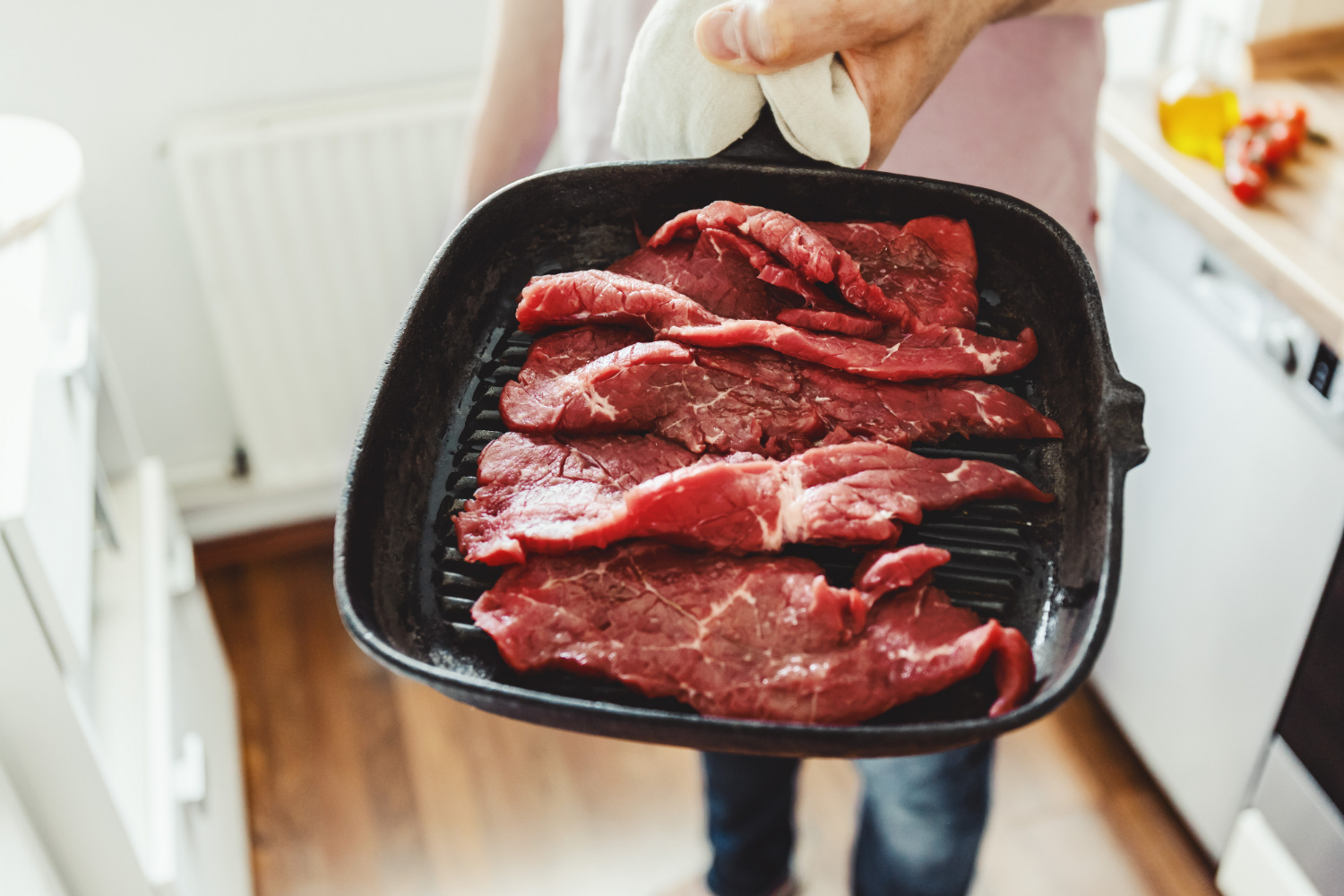
Meat is a popular protein source, but it can quickly eat up a grocery budget. The good news is that you don’t need to sacrifice protein to save money. With strategic planning, smart substitutions, and a few cooking techniques, you can keep meals satisfying, nutritious, and cost-effective.
1. Embrace Plant-Based Proteins
Plant-based proteins are often much cheaper than meat and provide plenty of nutrition.
-
Beans and Lentils: Packed with protein and fiber, they can replace or stretch meat in soups, stews, and casseroles.
-
Chickpeas and Black Beans: Great in tacos, salads, or curries.
-
Tofu and Tempeh: Affordable, versatile, and absorb flavors well in stir-fries, soups, or baked dishes.
Even using plant proteins a few times a week can reduce meat costs without sacrificing protein intake.
2. Buy Meat in Bulk
Purchasing meat in larger quantities can save money in the long run.
-
Whole Cuts: Whole chickens, pork shoulders, or briskets are usually cheaper per pound than individual portions.
-
Freezing Portions: Divide bulk meat into meal-sized portions and freeze to prevent waste.
-
Look for Deals: Supermarkets often discount meat near its sell-by date, which can be frozen for later use.
Buying in bulk ensures you always have protein on hand while lowering your per-meal cost.
3. Stretch Meat with Fillers
You don’t need to eliminate meat entirely to save money—you can make it go further by combining it with other ingredients.
-
Vegetables: Add mushrooms, zucchini, or bell peppers to ground beef or chicken dishes.
-
Grains and Legumes: Mix cooked rice, beans, or lentils into casseroles, burgers, or meatloaf.
-
Soups and Stews: Use smaller amounts of meat to flavor broths while filling bowls with vegetables and grains.
This approach keeps meals hearty while reducing the overall amount of meat you use.
4. Choose Cheaper Cuts and Alternatives
Not all cuts of meat are expensive. Many flavorful options are budget-friendly if cooked properly.
-
Chicken Thighs and Drumsticks: Cheaper than breasts and more forgiving in cooking.
-
Ground Meat: Ground beef, turkey, or chicken is versatile and affordable.
-
Pork Shoulder or Chuck Roast: Perfect for slow-cooking, braising, or shredding.
Slow cooking, roasting, or braising less expensive cuts makes them tender and delicious.
5. Incorporate Eggs and Dairy
Eggs, cheese, and yogurt are protein-rich and often more affordable than meat.
-
Eggs: Great for breakfast, salads, casseroles, or stir-fries.
-
Greek Yogurt: Can be a base for sauces, dips, or a protein-rich snack.
-
Cheese: Adds protein and flavor, making smaller amounts of meat more satisfying.
These options help maintain protein intake while lowering reliance on costly meats.
6. Plan and Prep Ahead
Meal planning reduces last-minute takeout and prevents food waste, both of which increase costs.
-
Weekly Meal Prep: Plan meals that use one protein in multiple ways.
-
Use Leftovers: Transform leftover meat into soups, sandwiches, or stir-fries.
-
Batch Cooking: Prepare large portions and freeze extras for later.
Planning ahead ensures you make the most of every protein source you buy.
7. Shop Smart
-
Compare Prices: Check unit prices to find the best deals.
-
Seasonal Meat Sales: Some cuts are cheaper during certain times of the year.
-
Local Butchers or Farmers: Sometimes offer better prices than supermarkets.
Smart shopping habits can significantly reduce your meat budget without reducing protein intake.
Reducing meat costs doesn’t mean cutting out protein. By incorporating plant-based proteins, buying in bulk, stretching meat with vegetables or grains, choosing cheaper cuts, and using eggs and dairy, you can maintain a nutritious and satisfying diet while saving money.
With planning, creativity, and smart shopping, you can enjoy protein-rich meals that are both affordable and delicious. This approach makes it possible to eat well, support your health, and keep your grocery budget in check.